

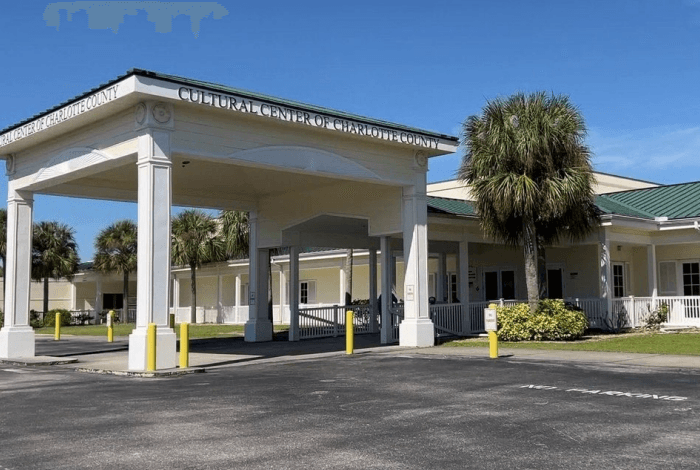
The air in the Murdock Circle chambers was filled with a sense of purpose as officials moved past years of "wait-and-see" to approve a $59 million master plan that will effectively replace the weather-worn Cultural Center with a state-of-the-art, multi-purpose campus.
The narrative of this 8-acre site has been one of survival and eventual surrender. Since its inception in 1968, the original 96,000-square-foot facility grew through thirteen separate additions, ultimately becoming a labyrinthine anchor for the community.
However, the one-two punch of a sudden 2021 closure followed by the catastrophic building envelope failures during Hurricane Ian left the county with a stark choice: spend over $30 million to remediate widespread mold and asbestos in a failing structure, or start fresh.
Today, the board chose the latter, opting to flatten the past to build a more resilient future.
This "3-in-1" project is not merely a replacement but a consolidation of community pillars. Under the plan detailed in the latest project schedule, the site will house a modernized Cultural Center, a high-tech replacement for the Port Charlotte Library, and a permanent home for the county’s historical archives. To make this ambitious footprint possible, the county has already secured funding for demolition in the FY 2026 budget, with heavy machinery expected to clear the site later this year.
The roadmap discussed today sets a deliberate pace for a project that will redefine the skyline of the Parkside neighborhood. Following the demolition, a two-year design phase led by Harvard Jolly Architecture will refine the campus's look and feel, with a groundbreaking tentatively scheduled for October 2027. If the schedule holds, a grand ribbon-cutting will welcome residents back to the Aaron Street campus in late 2029 or early 2030.
Perhaps the most forward-thinking aspect of today’s session was the discussion surrounding public-private partnerships. Commissioners expressed a strong interest in integrating private-sector elements, such as a signature café or specialized retail space, into the campus design.
The goal is to create a self-sustaining ecosystem that pulses with activity throughout the day, ensuring the new center remains as vibrant and essential as the original institution was in its prime.
For a visual look at the site's transition, you can view the official county building assessment video fro last year, which highlighted the structural challenges that helped lead to today's decision.
0 Comments
Join the conversation
Be the first to comment
Share your thoughts above.