
Food Trucks, Farmers markets & opportunities for Port Charlotte entrepreneurs |
Admit it...you're finding them everywhere these days! |
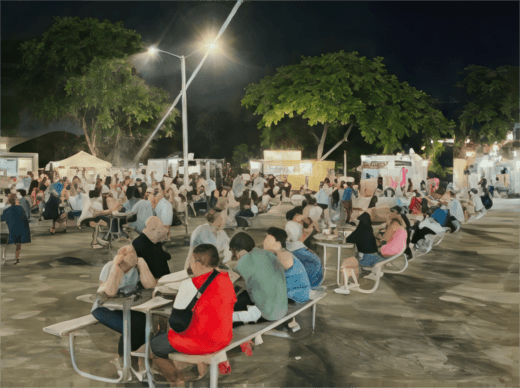
Port Charlotte’s "Stealth" Grab is happening right under your noseSomething is happening in Port Charlotte right now—and unless you’re paying close attention, you’re ignoring the biggest "under-the-radar" play in the local economy.
It isn’t being announced with ribbon cuttings or fancy press releases. Instead, it’s showing up in parking lots, at community events, and in the "dead spaces" where permanent businesses haven’t caught up yet.
While most people look at a food truck and see a small business or a side hustle, they are making a massive mistake. What is actually unfolding is one of the fastest, most efficient entry points into the food economy this area has ever seen.
While the "big players" are sitting around waiting six months for building permits, drowning in six-figure construction debt, and praying for a Certificate of Occupancy, these mobile operators are pulling up, opening a window, and generating revenue—sometimes the very same day.
In a region where population growth is surging and are expanding their footprints, this speed isn't just convenient—it's a strategic strike. The truth nobody talks about is that wherever rooftops are built faster than restaurants, whoever feeds those rooftops first wins.
However, what looks simple on the surface is anything but. In Florida, you don’t get to just "start a food truck." The state doesn’t see these operators as mere vendors; it sees them as restaurants on wheels.
Under the DBPR Division of Hotels and Restaurants, these businesses are classified as Mobile Food Dispensing Vehicles (MFDV). This means playing in the big leagues from day one, requiring rigid plan reviews before operation, professional licensing and annual fees, and strict equipment and sanitation standards.
The regulatory hurdles don't stop at the vehicle itself. Every single person who touches the food—whether they are storing, preparing, or serving it—is considered a food handler. This comes with a non-negotiable requirement for state-approved food safety training. What looks like a quick way to make money is, in reality, a serious business with serious rules.
Perhaps the most significant barrier to entry is the "commissary" requirement. A food truck parked at a Port Charlotte event does not operate in isolation. Behind the scenes, it is legally tied to a licensed commercial commissary. This is where the cleaning happens, supplies are handled, and compliance is maintained. There is an entire system operating underneath the truck that the average customer never sees.
This complexity is exactly why the opportunity is so powerful. Most people stop when they hit friction; they see the rules and the structure and they tap out. But those who don't are stepping into a market that is wide open.
From the growth around the Sunseeker Resort area to the new residents flooding into West Port, the traditional restaurant world moves slowly. Food trucks do not. They go where the demand is, test concepts in real time, and build audiences before anyone else even breaks ground.
When you see a food truck in Port Charlotte, you aren't just seeing someone selling tacos or burgers. You’re seeing a business owner who figured out how to get into the market faster than everyone else by having the discipline to play by the Florida Department of Health rules.
This isn’t a trend—it’s a shift. Nationwide, established restaurants are creating their branded food truck. The people who understand the structure behind the opportunity aren't just participating in the market; they are positioning themselves to own a piece of it before the rest of the resturant business catches up. |
0 Comments
Join the conversation
Be the first to comment
Share your thoughts above.