
Camera surveillance technology and Port Charlotte FL |
School Zone Cameras Today… What Comes Next?
Across Florida, communities are debating a new wave of traffic enforcement technology. While some cities have begun approving school zone speed cameras to slow drivers around children, the broader conversation is quickly expanding beyond school zones. Residents in places like Charlotte County and Port Charlotte are watching these developments closely as the technology spreads from one municipality to another.
Supporters argue that automated speed cameras improve safety, particularly in areas where children cross busy roads. Critics, however, worry that once automated ticketing systems are introduced, they can expand rapidly into other forms of surveillance and enforcement. That raises a larger question that communities across Florida are beginning to ask:
Are school zone cameras the first step toward a much broader system of automated enforcement?
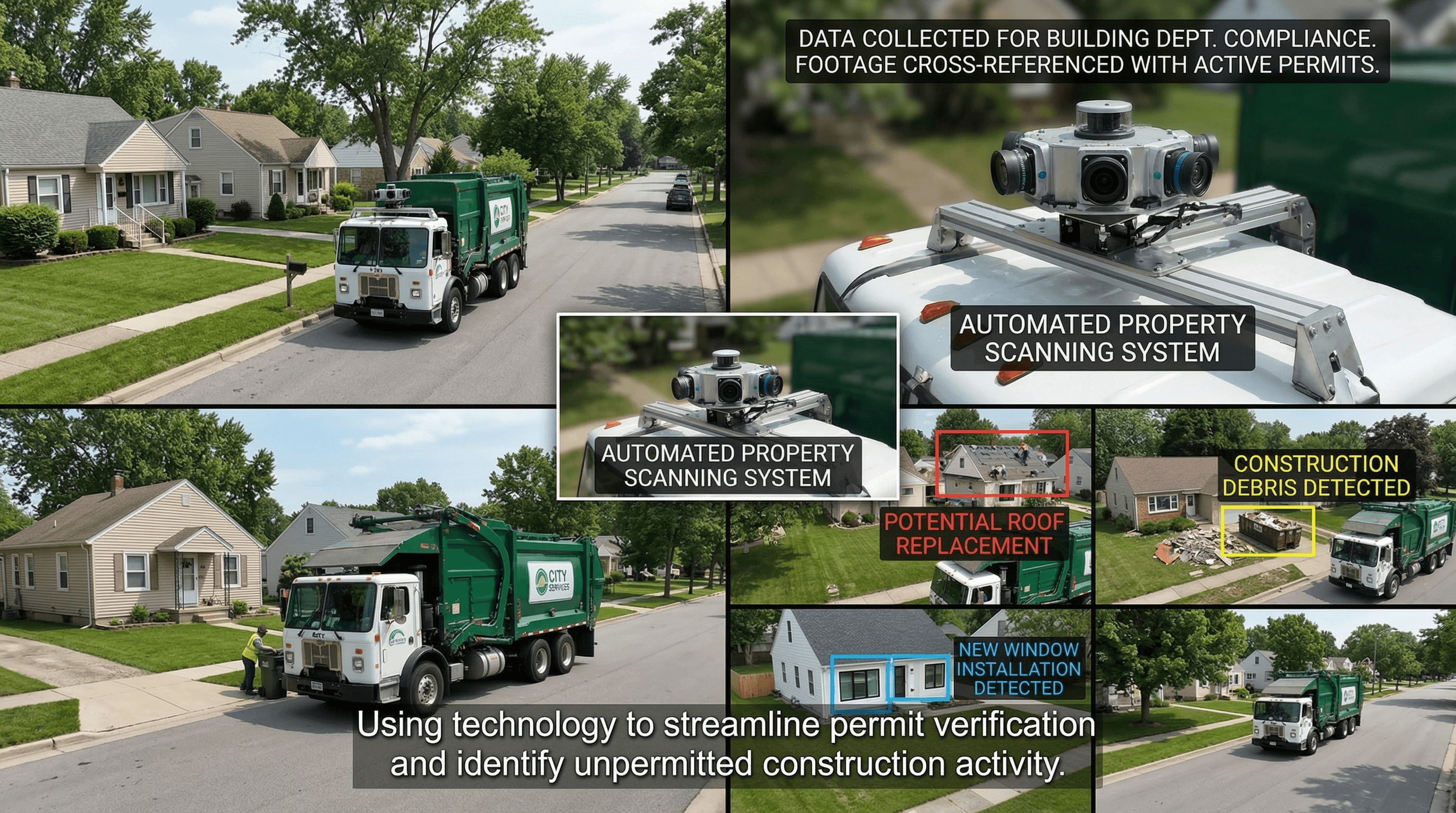
Across the country, cities are experimenting with new forms of artificial intelligence and camera technology that can monitor streets in ways that were impossible just a few years ago. Red-light cameras were the first widely adopted systems, but the technology is evolving quickly. Some municipalities are now exploring systems that mount cameras and artificial intelligence on everyday city vehicles — including sanitation trucks — allowing them to scan streets and automatically detect issues as they drive their normal routes.
Several technology companies are already developing these types of systems. For example, Compology produces camera and AI software designed to be installed on garbage trucks and waste containers to monitor contamination, illegal dumping, and collection issues. Other companies such as Rubicon Technologies provide software platforms that help cities analyze data collected from sanitation operations. Supporters of these technologies say they make cities more efficient. Rather than relying solely on manual inspections, technology can monitor streets continuously and help municipalities respond faster to problems.
Critics see something else entirely.
They argue that automated systems can shift enforcement authority away from sworn officers and toward private companies that supply the cameras and software. Citizen groups such as StopTheCams.org have formed specifically to oppose automated ticketing systems, warning that cities may become increasingly dependent on private vendors for enforcement.
Legal challenges are already beginning to shape the debate. A recent ruling reported by CW34 News found that certain red-light camera tickets were unconstitutional because enforcement authority had effectively been delegated to a private company rather than a government official.
That ruling has intensified the conversation about where technology fits into the enforcement process.
School zone cameras may only be the beginning. Cape Coral is already evaluating an AI systems mounted on trash vehicles. Take a look at this very scary video (1 Min) Port Charlotte followed Cape Coral and North Port down the School Zone Camera path. Is Charlotte County also already investigating this and will it also follow Cape Coral down THIS road, as well?
For some residents, systems like these represent the future of “smart city technology,” where sensors and artificial intelligence help municipalities operate more efficiently.
For others, they raise a more uncomfortable question. If technology can monitor streets, detect violations, and potentially issue fines automatically, how much enforcement should be handled by machines?
Port Charlotte's school zone cameras may have been approved with a narrow goal: slowing drivers near schools. But as new technologies continue to develop — from automated traffic cameras to AI-equipped municipal vehicles — the broader conversation may only be getting started.
Can you say "slippery slope"? Can you say "Big Brother"? Can you say "1984"? |
0 Comments
Join the conversation
Be the first to comment
Share your thoughts above.